

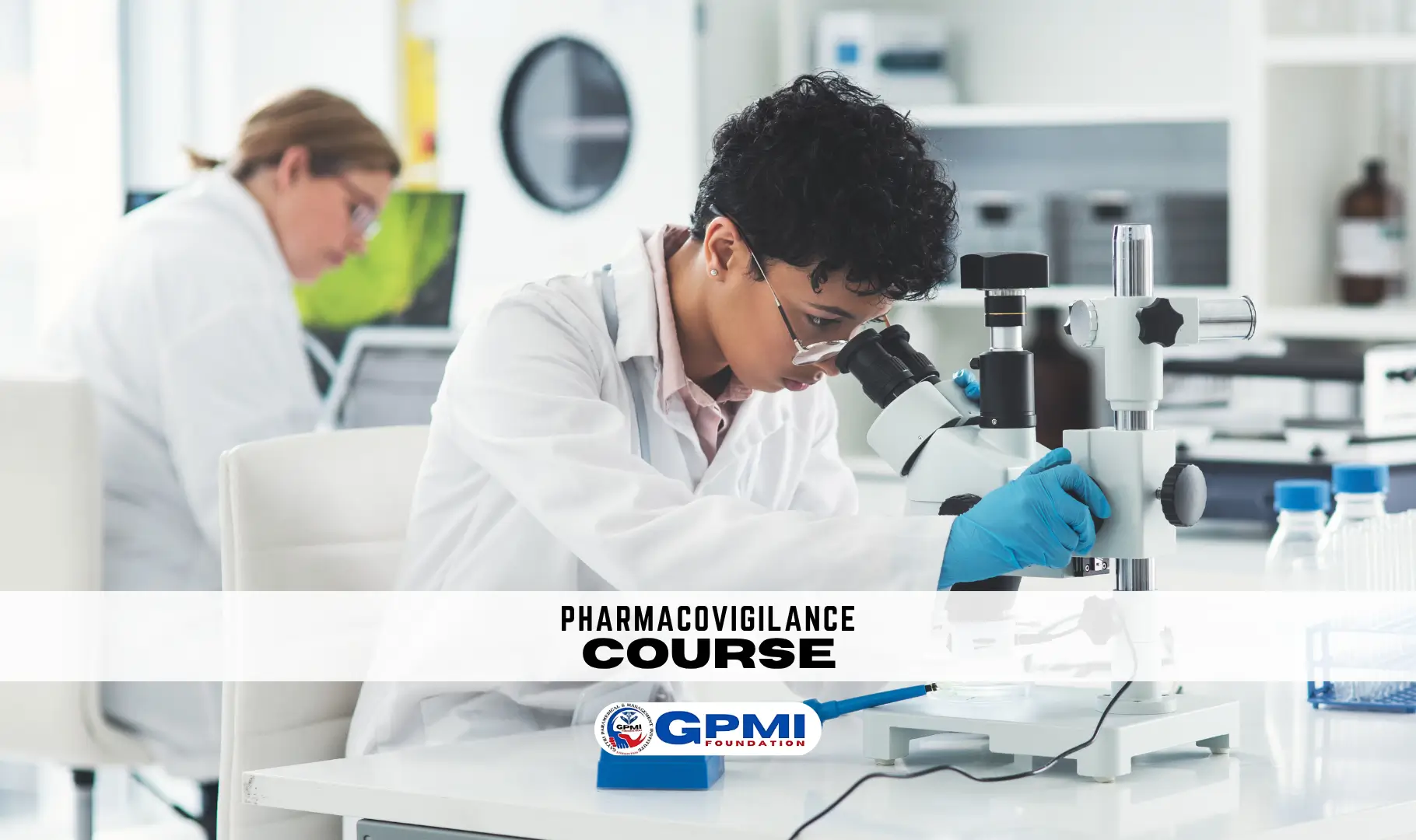
In today’s growing healthcare and pharmaceutical world, making sure that medicines are safe has become more important than ever. This is where Pharmacovigilance comes in – a field that focuses on detecting, assessing, understanding, and preventing side effects of medicines.
If you’re a science graduate looking for a stable and meaningful career, then a Pharmacovigilance Course could be your sure path to success. With the rising demand for drug safety professionals across the globe, especially in India, the need for trained experts is at an all-time high. In current scenario, this field offers not only great job opportunities but also the chance to contribute to public health.
In this article, we’ll explore everything you need to know about Pharmacovigilance – what the course covers, who can join, career scope, and why it’s becoming one of the most rewarding choices in the pharmaceutical industry. Whether you’re a student or a working professional, this guide is for you.
Table of Contents
What is Pharmacovigilance Course?
A Pharmacovigilance course is a smart option for science or pharmacy graduates who want to build a career in the drug safety field. This course teaches students how to detect, monitor, and report any harmful or unexpected effects of medicines after they are launched in the market.
Many medicines may work well during testing, but some side effects only appear when used by large numbers of people. That’s why trained pharmacovigilance professionals are needed to keep track of these cases and ensure public health is protected.
In this course, students learn how to use global safety databases, follow regulatory guidelines, and prepare safety reports. It’s not just a theory-based program—many institutes also offer hands-on training and job assistance.
A pharmacovigilance course with placement support helps you smoothly enter the pharma industry, often with roles like Drug Safety Associate or Clinical Data Analyst. It’s a great step toward a career that combines science, research, and patient safety.
Pharmacovigilance Course Duration and Fees
- Pharmacovigilance Course Duration: The course duration usually ranges from 3 months to 1 year, depending on the institute and course type—certificate, diploma, or postgraduate level course.
- Pharmacovigilance Course Fees: The course fees can vary depending on the institute, course level, and location. On average, the fees range between ₹30,000 to ₹1,50,000 for certificate or diploma programs. Some reputed institutes may charge more, especially if they offer hands-on training, internship opportunities, or placement support. EMI options and scholarships may also be available.
Pharmacovigilance Course Eligibility
The pharmacovigilance course mainly requires candidates to have a background in science, pharmacy, medicine, or sciences stream.
- Students who have completed B.Pharm, M.Pharm, B.Sc. (Biology, Biotechnology, Chemistry, Microbiology), or MBBS/BDS/BAMS/BHMS are eligible to apply.
- If you go for pharmacovigilance course after B.Pharm, you would have strong knowledge of medicines and their effects. This gives you an advantage in understanding adverse drug reactions and safety protocols.
- Fresh graduates and working professionals can both apply. Some institutes may conduct basic entrance interviews, while others offer direct admission.
- English language proficiency and basic computer skills are often expected, as most training involves report writing and working with safety databases.
Online Pharmacovigilance Course
An online pharmacovigilance course is a flexible and convenient way to learn drug safety monitoring from home. These courses cover topics like adverse drug reactions, regulatory guidelines, and safety databases.
Many reputed institutes now offer a pharmacovigilance course online with placement, helping students not only gain knowledge but also secure jobs in the pharmaceutical industry. This option is ideal for working professionals or students who want to build a career without attending regular classes.
Pharmacovigilance Course Online Free
There are many platforms like Coursera, Udemy, and WHO offer free introductory courses covering adverse drug reactions, reporting systems, and global regulations. While these courses may not include certification or placement, they provide a strong foundation for further learning or advanced paid programs.
Udemy Pharmacovigilance Course
This is a popular choice for students and professionals looking to learn drug safety concepts at their own pace. These courses cover essential topics like adverse drug reaction reporting, clinical trial safety, and regulatory guidelines. Many courses come with lifetime access, video lectures, and quizzes.
Some courses also provide certificates upon completion, making them useful for building your resume. Udemy offers affordable pricing and frequent discounts, making learning accessible to everyone.
Online vs Offline Pharmacovigilance Courses
When choosing a pharmacovigilance course, students often face the dilemma of whether to go for an online or offline program. Both formats have their advantages depending on the learner’s goals, schedule, and learning style. Here’s a detailed comparison of Online vs Offline Pharmacovigilance Courses to help you make an informed decision:
| Feature | Online Pharmacovigilance Course | Offline Pharmacovigilance Course |
|---|---|---|
| Flexibility | Learn anytime, from anywhere | Fixed schedule and location |
| Cost | Generally more affordable | Usually more expensive due to infrastructure and classroom training |
| Learning Mode | Video lectures, webinars, recorded sessions | Face-to-face classroom teaching with hands-on activities |
| Interaction | Limited peer interaction, mostly through forums or chats | Direct interaction with faculty and classmates |
| Placement Support | Varies by institute; some offer assistance | Often includes direct campus placement drives |
| Practical Training | Limited or simulated practical training | Offers real-time lab and tool experience |
| Time Commitment | Self-paced or weekend batches available | Regular attendance required |
| Best Suited For | Working professionals, remote learners | Full-time students who prefer classroom learning |
Both types of courses can lead to successful careers in pharmacovigilance if chosen based on your needs and commitment.
AI in Pharmacovigilance Course
The integration of AI in Pharmacovigilance course is transforming how drug safety is managed across the globe. This specialized course teaches students and professionals how artificial intelligence is being used to detect, analyze, and report adverse drug reactions more efficiently.
With AI tools like natural language processing (NLP) and machine learning, pharmacovigilance teams can now scan through huge volumes of data—such as patient records, social media, and clinical reports—to identify safety signals faster than ever before.
In this course, learners gain hands-on knowledge of how AI can improve decision-making, reduce manual errors, and ensure patient safety. The course is ideal for pharmacy graduates, life science professionals, and data analysts who want to work at the intersection of healthcare and technology.
As the pharmaceutical industry moves towards automation and smarter systems, AI in Pharmacovigilance course can give students a competitive edge and open doors to innovative roles in the drug safety domain.
Career Scopes After Pharmacovigilance Course
Completing a pharmacovigilance course opens up a wide range of career opportunities in the pharmaceutical, biotechnology, and healthcare industries.
- One of the most common job roles after the course is that of a Drug Safety Associate, where professionals are responsible for collecting and analyzing data on adverse drug reactions (ADRs).
- Other job titles include Pharmacovigilance Officer, Clinical Data Analyst, Signal Detection Analyst, Medical Reviewer, and Regulatory Affairs Executive.
- Pharmacovigilance professionals can find employment with pharmaceutical companies, clinical research organizations (CROs), hospitals, contract safety organizations, and even government regulatory bodies.
- As drug safety becomes a top priority in the global healthcare system, the demand for skilled professionals in this field continues to rise.
- Freshers in India can expect a starting package ranging from ₹3 LPA to ₹5 LPA. With 2–5 years of experience, salaries can go up to ₹6–10 LPA. In countries like the USA, UK, or Canada, salaries are significantly higher, especially for those with strong technical and regulatory skills.
Overall, a pharmacovigilance course not only offers stable career growth but also provides the satisfaction of contributing to public health and patient safety worldwide.
Pharmacovigilance vs Clinical Research
Both Pharmacovigilance and Clinical Research are promising fields in the pharmaceutical and healthcare industries. While they share similarities in terms of drug development and safety, their roles, responsibilities, and career paths differ. Understanding the key differences between the two can help students and professionals choose the right career path based on their interests and qualifications.
| Aspect | Pharmacovigilance | Clinical Research |
|---|---|---|
| Definition | Focuses on monitoring and reporting adverse drug reactions (ADRs) after a drug is released in the market. | Involves testing new drugs or treatments on humans during clinical trials to determine their safety and effectiveness. |
| Main Objective | Ensuring ongoing drug safety and protecting public health. | Developing new treatments through controlled and regulated studies. |
| Work Stage | Post-marketing (after drug approval and release). | Pre-marketing (during drug development and approval stages). |
| Key Job Roles | Drug Safety Associate, Pharmacovigilance Officer, Signal Detection Analyst. | Clinical Research Associate (CRA), Clinical Trial Manager, Study Coordinator. |
| Tools & Software | Argus Safety, ARISg, VigiFlow, MedDRA coding tools. | EDC (Electronic Data Capture), CTMS (Clinical Trial Management System). |
| Skills Required | Medical knowledge, attention to detail, regulatory understanding. | Project management, patient handling, regulatory compliance. |
| Career Scope | High demand globally in pharma companies, CROs, and regulatory bodies. | Expanding field with opportunities in hospitals, research labs, and pharma firms. |
| Average Starting Salary (India) | ₹3–5 LPA for freshers. | ₹3–6 LPA for freshers. |
| Course Eligibility | B.Pharm, M.Pharm, B.Sc. (Biotech, Life Sciences), MBBS, BDS. | B.Pharm, M.Sc., MBBS, BDS, BAMS, BHMS, or allied health graduates. |
| Work Nature | Desk-based, data analysis and reporting focused. | Field work and documentation, includes site visits and patient follow-ups. |
| Global Opportunities | High, especially in regulatory hubs like the US, UK, and Europe. | High, particularly in countries with strong clinical trial activity. |
How to Become Pharmacovigilance Officer?
One of the key role in pharmaceutical and healthcare industries is Pharmacovigilance Officer. He is a professional who responsible for identifying, evaluating, and preventing adverse effects of drugs to ensure patient safety.
If you’re interested in drug safety, scientific research, and want to play a key role in public health, this career can be a rewarding choice. Here’s a 9 step guide on how to become a Pharmacovigilance Officer:
Step 1: Understand the Role
Before beginning your journey, it’s important to understand what a Pharmacovigilance Officer does. Their main duties include:
- Monitoring and reporting adverse drug reactions (ADRs)
- Reviewing safety data from clinical trials or post-marketing studies
- Ensuring compliance with global and local drug safety regulations
- Using specialized software like Argus or ARISg to manage safety reports
- Preparing safety summaries and risk assessment reports
- Liaising with regulatory bodies and healthcare professionals
This role is highly detail-oriented and requires strong analytical, scientific, and communication skills.
Step 2: Fulfill Eligibility Criteria
The foundation of this career starts at the high school level. You should choose the Science stream (Biology) in your 10+2 or equivalent education. Subjects like Biology, Chemistry, and English will prepare you for a graduate program in life sciences or healthcare — both essential for pharmacovigilance careers.
To enter in the field, a minimum of a bachelor’s degree in a related field is required. Some popular degree options include:
- B.Pharm (Bachelor of Pharmacy)
- B.Sc. in Biotechnology
- B.Sc. in Microbiology
- B.Sc. in Chemistry
- MBBS / BDS / BAMS / BHMS
This degree helps you gain core knowledge of medicines, human biology, and how drugs affect the body, all of which are essential for drug safety monitoring. A pharmacovigilance course after B.Pharm is one of the most preferred pathways among pharmacy students.
Step 3: Consider a Master’s Degree (Optional)
While a bachelor’s degree is often enough to get entry-level jobs, some candidates pursue M.Pharm, M.Sc. in Clinical Research, or M.Sc. in Pharmacology for deeper knowledge and better job positions.
A postgraduate degree can lead to faster promotions and more specialized roles in pharmacovigilance, such as Medical Reviewer or Signal Detection Expert.
Step 4: Enroll in a Pharmacovigilance Course
Enroll in a Pharmacovigilance Certification Course, these courses are offered by many reputed institutes and can be completed in 3 to 12 months. Key topics covered in the course:
- Basics of Pharmacovigilance
- Adverse Drug Reactions (ADRs)
- Regulatory Authorities (like US FDA, EMA, CDSCO)
- Drug Safety Databases (like Argus, MedDRA, VigiBase)
- Risk Management & Safety Signal Detection
- Report Writing & Case Processing
You can opt for online or offline courses, depending on your availability. Online programs offer flexibility and are ideal for working professionals.
Step 5: Develop These Key Skills
To succeed as a Pharmacovigilance Officer, you must develop the following skills:
- Attention to Detail: For accurate reporting and analysis of safety data.
- Medical Terminology: Knowledge of terms used in adverse event reporting.
- Communication Skills: For writing clear reports and dealing with healthcare professionals.
- Computer Proficiency: Especially in tools like Excel, Word, and safety databases.
- Understanding of Global Guidelines: Such as ICH-GCP, WHO, and regional regulatory frameworks.
Soft skills like teamwork, critical thinking, and time management are equally important.
Step 6: Gain Internship or Practical Experience
Before applying for full-time roles, gaining hands-on experience is highly recommended. You can:
- Intern with pharmaceutical companies
- Volunteer in hospital drug safety programs
- Join clinical research organizations (CROs) as a trainee
Practical experience will help you apply your knowledge in real-world settings and improve your resume.
Step 7: Apply for Entry-Level Jobs
Once you have the educational background and training, you can apply for roles such as:
- Drug Safety Associate
- Pharmacovigilance Executive
- Safety Data Analyst
- Medical Writer (Pharmacovigilance Reports)
These positions are usually available in:
- Pharmaceutical companies (like Cipla, Dr. Reddy’s, Sun Pharma)
- Clinical Research Organizations (like IQVIA, Parexel, ICON)
- Hospitals and Healthcare IT companies
- Regulatory consulting firms
Prepare a professional resume, highlight your coursework, certifications, and internships, and start applying.
Step 8: Gain Experience & Move Up
As you gain experience (2–5 years), you can move into mid-level or senior positions such as:
- Senior Drug Safety Associate
- Signal Detection Specialist
- Medical Reviewer
- Regulatory Affairs Officer
These roles come with higher responsibility, better pay, and a chance to contribute to global drug safety policies.
Step 9: Stay Updated and Certified
Pharmacovigilance is a dynamic field that changes with evolving drug regulations and new safety tools. To stay ahead:
- Attend webinars, conferences, and workshops
- Join professional bodies like ISoP (International Society of Pharmacovigilance)
- Take advanced certifications in Clinical Research, Medical Writing, or Signal Management
Continuous learning ensures you remain valuable in the job market and are eligible for international roles.
Salary of a Pharmacovigilance Officer
In India, the starting salary of a Pharmacovigilance Officer is around ₹3 to ₹5 LPA. With experience, salaries can rise to ₹6–12 LPA or more. In countries like the USA, UK, and Europe, professionals earn significantly higher, especially those with international exposure and certifications.
If you’re passionate about medicine safety and want a stable career with global scope, this field offers exciting opportunities. By following the right steps, you can build a successful and meaningful career in drug safety.
Conclusion
In today’s ever-evolving pharmaceutical and healthcare industry, ensuring the safety of medicines is more important than ever. A pharmacovigilance course equips students and professionals with the skills needed to monitor drug safety, report adverse effects, and contribute meaningfully to public health.
From roles like Drug Safety Associate to Pharmacovigilance Officer, this field offers job stability, global demand, and continuous learning. The salary packages are competitive, especially as you gain experience and move into senior positions.
Whether you are a fresh B.Pharm graduate or a working professional from a life sciences background, pharmacovigilance can be your gateway to a fulfilling, respected, and impactful career.
By taking the right steps—choosing the right course, developing essential skills, and staying updated—you can build a strong future in drug safety. If you’re aiming for a meaningful job that blends science, technology, and healthcare, the Pharmacovigilance course is a smart and rewarding career move.