

After completing 12th grade, many students want to enter the medical field but do not want to spend several years in college. For them, 1 year medical courses after 12th are a smart and practical option.
These short-term courses are job-oriented and help students start their careers quickly. Whether you want to work in hospitals, clinics, labs, or emergency services, these courses offer the right training to get you started.
The best part is that you don’t need to be a doctor or nurse to be a part of the healthcare system. There are many important roles in the medical field like lab technician, radiology assistant, nursing care assistant, emergency medical technician, and more.
These jobs are in high demand, both in India and abroad. This article will give you a comprehensive list of 1 year medical courses after 12th, their benefits, career options, and why they are a great choice for students who want a stable and respected career.
Table of Contents
What is 1 Year Medical Courses?
1 year medical courses after 12th are short term and skill-based programs that help you enter the healthcare field without spending too many years studying. These courses are perfect for students who have completed their 12th, especially with a science background, and want to start working quickly.
Instead of long medical degrees like MBBS, these 1 year medical courses focus on practical training and real-world skills. You get to learn how to support doctors, handle machines, take care of patients, or assist in labs.
Courses like Medical Lab Technician, Radiology Assistant, Dialysis Technician, and Emergency Medical Technician (EMT) are some of the popular options. They’re designed to make you job-ready in just 12 months. You learn both theory in classrooms and hands-on training in hospitals or labs.
These courses open doors to work in clinics, hospitals, diagnostic labs, and even private home care services. If you want a respected job and quick career start, these courses are a great choice.
List of 19 Best 1-Year Medical Courses
Stepping into healthcare doesn’t always mean investing five or six years in college. Many respected, skill‑focused programs can be finished in just one year, letting you enter the workforce almost immediately.
Below is a detailed look at 19 of the most popular 1‑year medical courses you can pursue right after 12th grade. Here we explain what the course, what you will learn, the basic details & jobs opportunities in brief. Let’s get started…
1. Certificate in Medical Lab Technology (CMLT)
The Certificate in Medical Lab Technology (CMLT) is a 1-year medical course that trains students to work as lab technicians and assistants in hospitals, diagnostic centers, and pathology labs. It focuses on teaching students how to collect blood and urine samples, perform basic lab tests, handle microscopes, and maintain lab safety.

- Eligibility: 10+2 (Science stream preferred, but some institutes may accept any stream)
- Average Fees: ₹20,000 to ₹50,000 (varies by institute)
- Career Scope: After completing this course, students can work as Lab Assistants, Sample Collection Technicians, Path Lab Operators, or Junior Lab Technicians. They can also join private labs, government hospitals, or open their own collection centers.
Key Points:
- In-demand course in both urban and rural areas
- Practical and theory-based learning
- Good stepping stone for higher studies like DMLT or B.Voc MLT
2. Certificate in Operation Theatre Technician (COTT)
The Certificate in Operation Theatre Technician (COTT) is a job-oriented 1-year medical course designed to train students in managing operation theatre (OT) procedures and assisting surgeons, nurses, and anesthetists during surgeries.
Students learn how to maintain OT hygiene, sterilize surgical instruments, manage OT equipment, and support the surgical team before, during, and after operations.
- Eligibility: 10+2 with Science (Physics, Chemistry, Biology)
- Average Fees: ₹25,000 to ₹60,000 (varies by institute)
- Career Scope: You can work as OT Technicians, Surgical Assistants, Anesthesia Aides, or CSSD Assistants in hospitals, nursing homes, and surgical centers. It also opens the path to pursue a diploma or degree in OT Technology.
Key Points:
- High demand in surgical and trauma care centers
- Hands-on training in real OT settings
- Requires discipline, focus, and calm under pressure
3. Certificate in Dialysis Technician (C‑DT)
The Certificate in Dialysis Technician (C‑DT) is a specialized 1-year medical course that trains students to operate dialysis machines and assist in the treatment of patients suffering from kidney failure.
Students learn how to prepare dialysis equipment, monitor vital signs during the procedure, handle emergencies, and educate patients about post-dialysis care. This course also covers infection control, machine maintenance, and fluid preparation techniques.
- Eligibility: 10+2 with Science (PCB) Preferred
- Average Fees: ₹25,000 to ₹60,000 (depending on the institute)
- Career Scope: Certificate holder can work as Dialysis Technicians in hospitals, dialysis centers, nephrology departments, and home-care services. With experience, they can move into supervisory or trainer roles.
Key Points:
- Ideal for students interested in patient-centered roles in nephrology settings
- High demand due to increasing kidney-related cases
- Involves direct patient care and technical skills
4. Certificate in X‑Ray & Imaging Technology
The Certificate in X-Ray & Imaging Technology is a skill-based 1-year medical course that trains students to operate X-ray machines and perform basic diagnostic imaging procedures.
The course covers topics like human anatomy, radiation physics, positioning of patients, film processing (manual and digital), and radiation safety measures. Students also learn how to assist radiologists in producing clear and accurate diagnostic images.
- Eligibility: 10+2 with Science (Physics, Chemistry, Biology)
- Average Fees: ₹25,000 to ₹60,000 (varies by institute)
- Career Scope: After completing the course, students can work as X-Ray Technicians, Radiology Assistants, or Imaging Technicians in hospitals, diagnostic labs, trauma centers, and imaging clinics.
Key Points:
- Opportunities for further study in CT, MRI, or B.Voc. Radiology programs
- High demand in emergency and diagnostic departments
- Involves use of modern imaging equipment
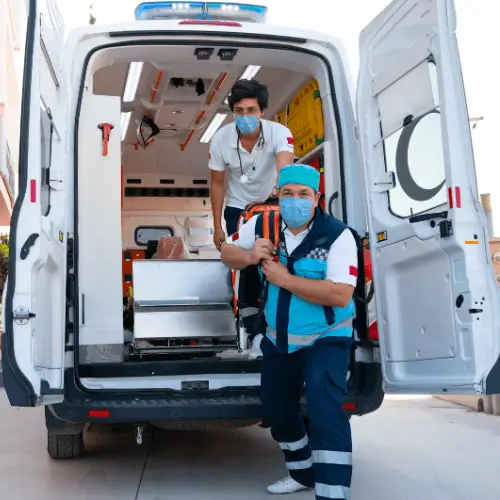
5. Emergency Medical Technician (EMT)
The Emergency Medical Technician (EMT) course is a 6-month to 1-year medical course that prepares students to provide urgent medical care in emergency situations.
EMTs are trained to handle accidents, trauma, and life-threatening conditions like cardiac arrest or stroke. The course covers first aid, CPR, patient assessment, airway management, ambulance operation, and how to handle emergency medical equipment.
- Eligibility: 10th or 12th pass (Science preferred, but not mandatory)
- Average Fees: ₹20,000 to ₹50,000
- Career Scope: After completion, students can work as EMTs in ambulances, emergency rooms, disaster response teams, or event medical services. It’s a critical role in hospitals, highways, and during medical emergencies.
Key Points:
- In high demand across India and abroad
- High-impact, fast-paced job
- Requires quick thinking and calm attitude
6. Certificate in ECG & Cardiac Care Technician
The Certificate in ECG & Cardiac Care Technician is a 1-year medical course that trains students to perform electrocardiograms (ECGs) and assist in basic cardiac care procedures.
The course includes training in heart anatomy, ECG machine handling, lead placement, identifying normal and abnormal heart rhythms, and patient monitoring. It also covers infection control, patient safety, and emergency protocols during cardiac events.
- Eligibility: 10+2 with Science (Biology preferred)
- Average Fees: ₹20,000 to ₹50,000
- Career Scope: After completing the course, students can work as ECG Technicians, Cardiac Care Assistants, or Telemetry Technicians in hospitals, heart clinics, ICUs, and diagnostic centers.
Key Points:
- Ideal for students interested in cardiology and emergency care
- High demand due to rise in heart-related illnesses
- Involves patient interaction and precision
7. Certificate in Phlebotomy & Blood Collection
The Certificate in Phlebotomy & Blood Collection is a 6-month to 1-year medical course that trains students to safely draw blood samples from patients for laboratory testing.
The course focuses on venipuncture techniques, patient preparation, handling of sample tubes, infection control, and proper labeling and transportation of specimens. It also includes basic anatomy of veins, first aid in case of complications, and communication skills to comfort patients during the procedure.
- Eligibility: 10+2 (Science preferred)
- Average Fees: ₹15,000 to ₹40,000
- Career Scope: Graduates can work as Phlebotomists in diagnostic labs, hospitals, blood banks, and home sample collection services.
Key Points:
- Great option for students seeking a quick entry into healthcare
- High demand in pathology and diagnostic centers
- Involves direct patient interaction
8. Blood Bank Technician Course
The Blood Bank Technician Course is a 1-year medical program designed to train students in the collection, testing, storage, and preparation of blood and its components for transfusion.
The course includes training in blood grouping, cross-matching, donor screening, transfusion reactions, and cold chain management. Students also learn about blood safety protocols, proper labeling, and inventory handling.
- Eligibility: 10+2 with Science (Biology preferred)
- Average Fees: ₹20,000 to ₹50,000
- Career Scope: After completing the course, students can work as Blood Bank Technicians, Donor Screening Officers, or Component Separation Assistants in hospitals, blood banks, and transfusion centers.
Key Points:
- Involves both lab work and patient coordination
- Critical role in saving lives during surgeries and emergencies
- Strong demand in hospitals and private blood banks
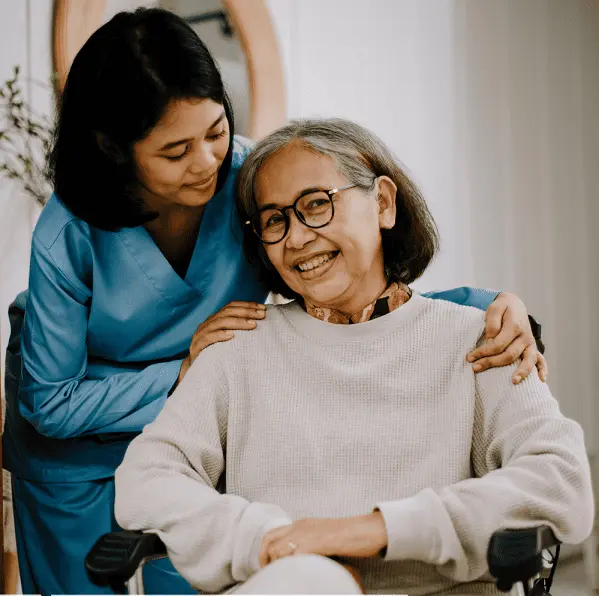
9. Diploma Nursing Assistant (DNA)
The Diploma in Nursing Assistant (DNA) is a 1 to 2-year course that trains students to support nurses and doctors in providing basic care to patients.
The course includes training in patient hygiene, feeding, mobility support, vital sign monitoring (like blood pressure and temperature), bed making, and first aid. Students also learn how to handle medical equipment, maintain cleanliness, and offer emotional support to patients and their families.
- Eligibility: 10th or 12th pass (any stream)
- Average Fees: ₹20,000 to ₹60,000
- Career Scope: After completing this course, students can work as Nursing Assistants, Ward Attendants, or Patient Care Helpers in hospitals, nursing homes, rehabilitation centers, and home care services.
Key Points:
- Ideal for students with compassion and patience
- High demand in both public and private healthcare setups
- Involves close patient care and basic clinical duties
10. Ophthalmic Assistant Course
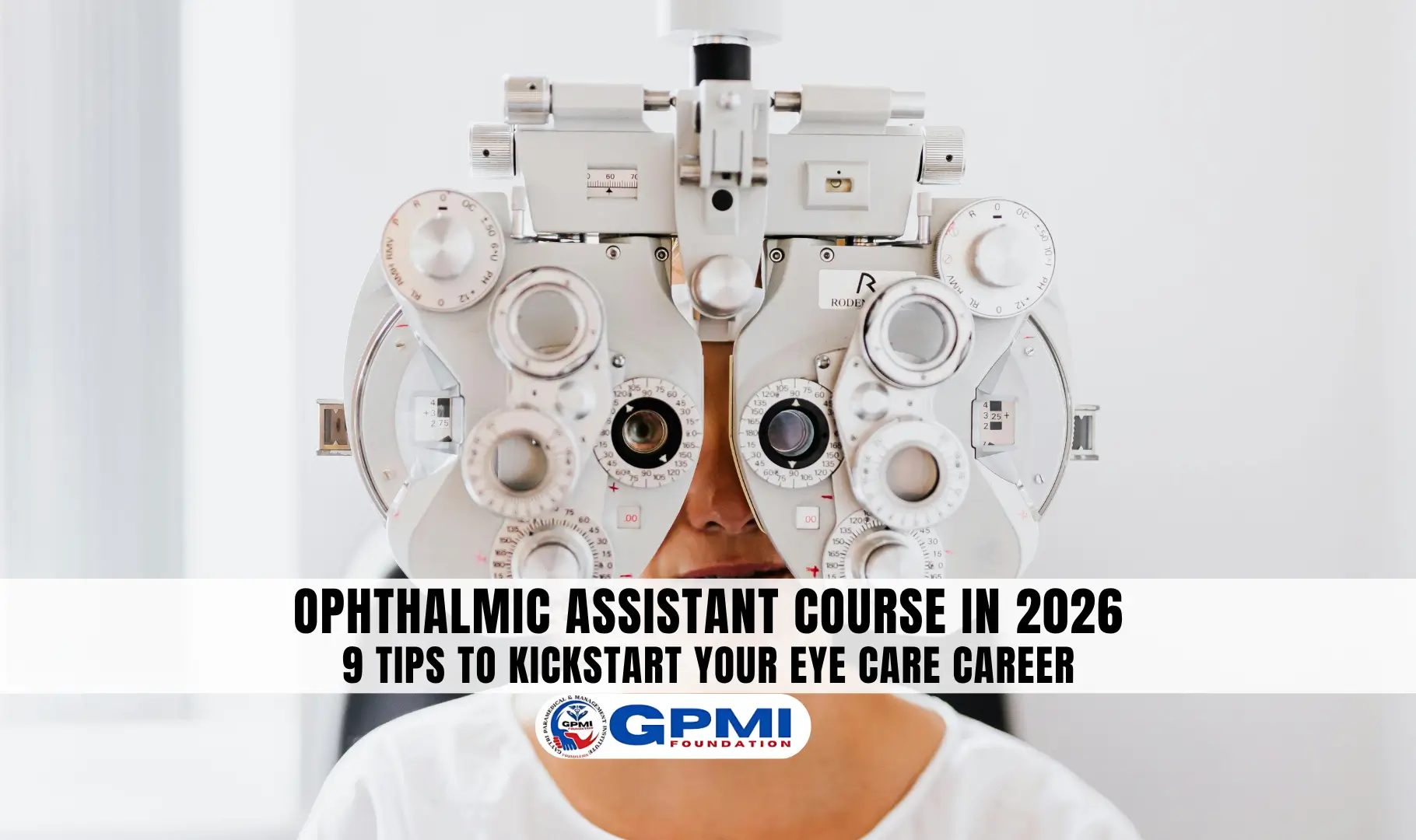
The Ophthalmic Assistant Course is a 1-year medical program that trains students to assist eye doctors (ophthalmologists) in diagnosing and treating patients with eye problems.
The course covers visual testing techniques, use of eye care instruments, patient history recording, basic eye anatomy, refraction, and helping in minor procedures. Students also learn how to handle optical equipment like autorefractors and lensmeters.
- Eligibility: 10+2 with Science (Biology preferred)
- Average Fees: ₹20,000 to ₹50,000
- Career Scope: After completing the course, students can work as Ophthalmic Assistants, Vision Testing Assistants, or Optometry Technicians in eye hospitals, vision care clinics, optical stores, and eye camps.
Key Points:
- Great for students interested in eye care and visual sciences
- High demand in eye hospitals and optical chains
- Involves patient care and equipment handling
11. Dental Assistant Course
The Dental Assistant Course is a 1-year medical program that prepares students to assist dentists during dental procedures and manage the day-to-day operations of a dental clinic.
The course covers dental anatomy, sterilization techniques, chairside assistance, handling dental tools, mixing dental materials, maintaining patient records, and infection control. Students also learn to provide comfort and reassurance to patients during treatments.
- Eligibility: 10+2 (any stream; science preferred)
- Average Fees: ₹20,000 to ₹50,000
- Career Scope: Graduates can work as Dental Assistants, Chairside Assistants, or Sterilization Technicians in dental clinics, hospitals, and dental colleges.
Key Points:
- Ideal for friendly and detail-oriented students who enjoy healthcare and hygiene
- High demand in private dental practices
- Combines patient care, technical support, and administrative work
12. Physiotherapy Assistant Course
The Physiotherapy Assistant Course is a 1-year medical program designed to train students to assist licensed physiotherapists in helping patients recover from injuries, surgeries, and physical disabilities.
The course includes basic knowledge of human anatomy, therapeutic exercises, use of physiotherapy equipment like TENS, ultrasound, and hot/cold packs, and techniques to improve mobility and strength. Students also learn how to monitor patient progress, assist with therapy sessions, and provide emotional support.
- Eligibility: 10+2 (Science stream preferred)
- Average Fees: ₹20,000 to ₹50,000
- Career Scope: After completing the course, students can work as Physiotherapy Assistants, Rehab Assistants, or Therapy Aides in hospitals, clinics, sports centers, rehabilitation centers, and old age homes.
Key Points:
- Offers both hospital and home-care job opportunities
- Ideal for students interested in movement and patient recovery
- Hands-on, active role in patient care
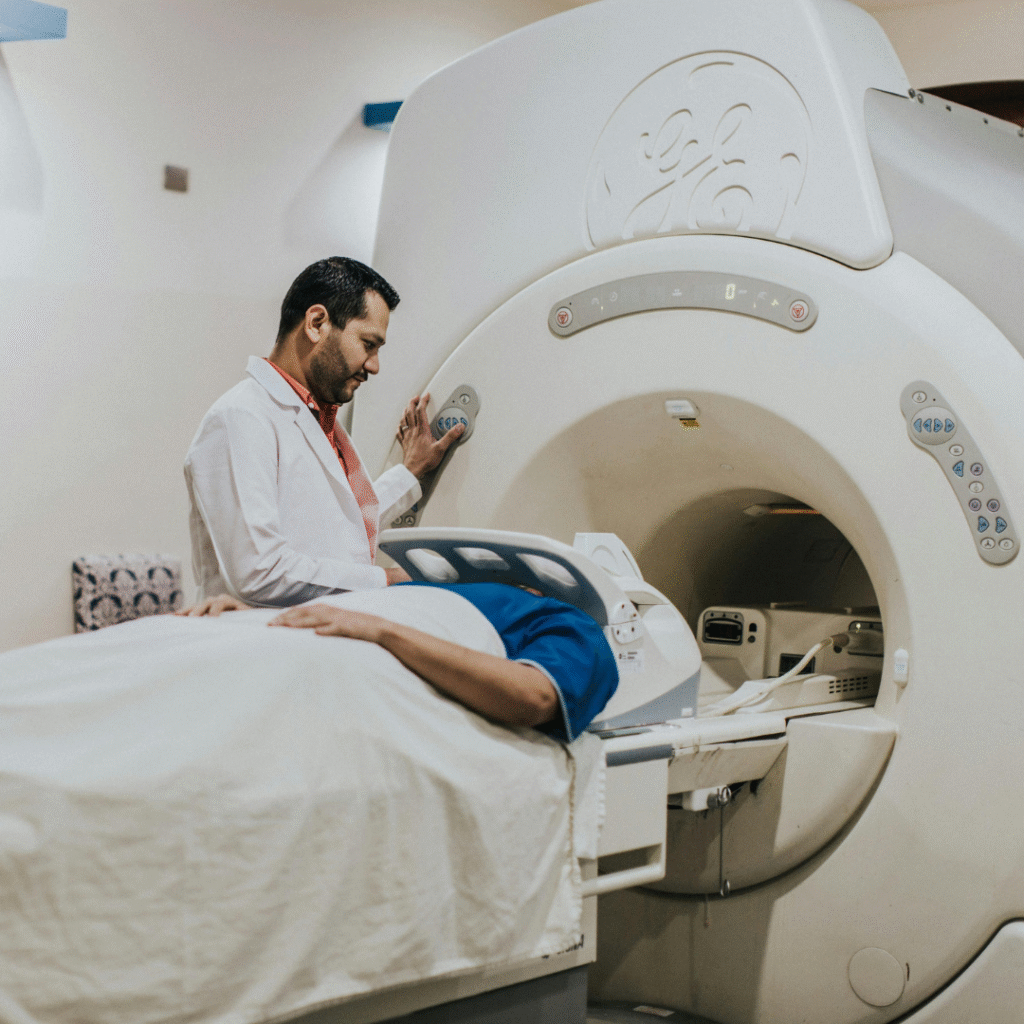
13. MRI & CT Scan Technician Course
The MRI & CT Scan Technician Course is a specialized 1 year medical course that trains students to operate advanced imaging machines like Magnetic Resonance Imaging (MRI) and Computed Tomography (CT) scanners.
The course covers imaging techniques, cross-sectional anatomy, radiation physics, patient positioning, contrast media usage, and safety protocols. Students also learn how to prepare patients for scans, manage scan reports, and work under the guidance of radiologists.
- Eligibility: 10+2 with Science (Physics, Chemistry, Biology/Maths)
- Average Fees: ₹30,000 to ₹70,000
- Career Scope: Graduates can work as MRI Technicians, CT Scan Operators, or Imaging Assistants in diagnostic centers, multi-specialty hospitals, and radiology departments.
Key Points:
- Requires focus, technical skills, and patient handling ability
- High demand for trained technicians due to growing imaging needs
- Offers high-paying job roles with career growth
14. Certificate in Anesthesia Technology
The Certificate in Anesthesia Technology is a job-oriented 1-year medical course that trains students to assist anesthesiologists in surgical settings.
The course focuses on preparing and maintaining anesthesia equipment, monitoring patients before, during, and after anesthesia, understanding drug dosages, and ensuring patient safety in the operation theatre.
Students also learn about basic human anatomy, types of anesthesia, and emergency procedures in case of anesthesia-related complications.
- Eligibility: 10+2 with Science (Biology preferred)
- Average Fees: ₹25,000 to ₹60,000
- Career Scope: After completing this course, students can work as Anesthesia Technicians, OT Assistants, or ICU Technicians in hospitals, surgical centers, and trauma units.
Key Points:
- Good scope for career advancement in OT and critical care units
- Critical support role in surgeries and emergency care
- Involves both technical and patient care responsibilities
15. CSSD Technician Course
The CSSD Technician Course ( (Central Sterile Services Department) is a 1-year medical program that trains students to manage the cleaning, sterilization, and distribution of surgical instruments and medical equipment in hospitals and clinics.
CSSD technicians play a vital role in infection control by ensuring that all surgical tools and materials are properly sterilized and ready for use in operation theatres and ICUs. The course covers sterilization techniques, equipment handling, infection prevention, and hospital hygiene protocols.
- Eligibility: 10+2 (Science preferred)
- Average Fees: ₹20,000 to ₹50,000
- Career Scope: After completing this course, students can work as CSSD Technicians, Sterile Supply Assistants, or OT Equipment Handlers in hospitals, surgical centers, and healthcare institutions.
Key Points:
- Suitable for detail-oriented and responsible individuals
- Essential for maintaining hospital hygiene and patient safety
- High demand in surgical and critical care departments
16. Cath Lab Technician (Cardiac Technician)
The Cath Lab Technician Course, also known as the Cardiac Technician Course, is a specialized 1-year medical program that trains students to assist cardiologists during diagnostic and therapeutic procedures in a cardiac catheterization laboratory.
This includes angiography, angioplasty, pacemaker implantation, and other heart-related procedures. The course covers cardiac anatomy, ECG interpretation, use of cath lab equipment, radiation safety, and emergency care protocols.
- Eligibility: 10+2 with Science (Biology preferred)
- Average Fees: ₹30,000 to ₹70,000
- Career Scope: After completing the course, students can work as Cath Lab Technicians, Cardiology Technicians, or ECG & Monitoring Assistants in hospitals, heart institutes, and diagnostic centers.
Key Points:
- Opportunities to work in high-tech, critical care environments
- High demand due to rising heart-related health issues
- Requires strong focus, alertness, and quick decision-making
17. Lab Assistant 1 Year Medical Course
The Lab Assistant Course is a 1-year medical program that trains students to assist medical laboratory technologists in collecting, preparing, and examining biological samples.
The course includes practical training in handling lab equipment, preparing chemical solutions, recording data, sterilizing instruments, and maintaining cleanliness and safety in the lab. Students also learn the basics of pathology, microbiology, and sample storage procedures.

- Eligibility: 10th or 12th pass (Science preferred but not mandatory)
- Average Fees: ₹15,000 to ₹40,000
- Career Scope: Graduates can work as Lab Assistants, Sample Collection Staff, or Path Lab Helpers in diagnostic labs, hospitals, research labs, and private clinics.
Key Points:
- Involves behind-the-scenes but critical healthcare support work
- Ideal for students interested in laboratory work and science
- A stepping stone to further courses like DMLT or B.Voc MLT
18. General Duty Assistant (GDA)
The General Duty Assistant (GDA) course is a 6-month to 1-year medical program that prepares students to support nurses and medical staff in hospitals, clinics, and home-care settings.
The course teaches basic patient care skills such as bathing, feeding, grooming, bed making, lifting and shifting patients, and monitoring vital signs like temperature, pulse, and blood pressure. It also includes basic first aid, infection control, and communication with patients and families.
- Eligibility: 10th pass or above (any stream)
- Average Fees: ₹10,000 to ₹30,000
- Career Scope: Graduates can work as GDAs in hospitals, old age homes, nursing homes, and home-care agencies.
Key Points:
- Ideal for compassionate individuals who enjoy caring for others
- High demand for bedside care roles
- Easy entry into the healthcare sector
19. Patient Care Assistant (PCA)
The Patient Care Assistant (PCA) course is a 6-month to 1-year medical program designed to train students in providing basic care and support to patients in hospitals, nursing homes, and home-care environments.
The course includes practical training in helping patients with daily activities like bathing, feeding, dressing, and mobility. It also covers monitoring vital signs, maintaining hygiene, assisting in exercises, and emotional care for patients who are elderly, disabled, or recovering from illness.
- Eligibility: 10th or 12th pass (any stream)
- Average Fees: ₹10,000 to ₹30,000
- Career Scope: Graduates can work as Patient Care Assistants, Ward Attendants, or Home-Care Aides in hospitals, rehabilitation centers, or private homes.
Key Points:
- Flexible job opportunities in hospitals and home-care settings
- In-demand in both urban and rural healthcare setups
- Ideal for compassionate individuals who enjoy direct patient care
How to Choose the Right Course?
Choosing the right 1 year medical course after 12th or 10th is an important decision that shapes your career in the healthcare sector. With so many short-term and diploma options available, it’s easy to get confused. Here’s a simple step-by-step guide to help you make the best choice:
Step 1: Know Your Interest
Ask yourself what kind of work you enjoy:
- Do you like working with machines? → Try X-Ray, MRI, or Dialysis Technician
- Prefer working directly with patients? → Choose Nursing Assistant, GDA, or PCA
- Enjoy lab work? → Go for MLT, Blood Bank, or Lab Assistant courses
Step 2: Check Eligibility for 1-Year medical Program
Make sure you meet the minimum education requirement. Most 1-year medical courses need:
- 10th or 12th pass (Science preferred for technical courses)
Step 3: Research the Course Content
Look at what the course teaches:
- Theory vs. Practical balance
- Duration and fees
- Certification value (check if it’s government-recognized)
Step 4: Understand Career Scope
Search where you can work after the course:
- Hospitals, diagnostic labs, clinics, home care, or ambulances
- Check salary expectations and job demand in your area
Step 5: Choose a Good Institute
Pick an institute with:
- Experienced faculty
- Modern labs and equipment
- Internship or on-the-job training
- Placement support
By following these steps, you can confidently choose a course that matches your passion, fits your background, and leads to a secure and respected career in the medical field.
Final Thoughts on 1 Year Medical Courses
Choosing a right 1 year medical course is a smart, practical step for anyone who wants to enter the healthcare field without spending years in college.
In just 12 months, you can gain hands-on skills, build a professional identity, and start a career where your work directly helps people every single day. These short-term courses are especially valuable for students who want quick employment, affordable education, and meaningful work.
Whether you choose to become a lab assistant, OT technician, dialysis technician, or patient care assistant, these certificates can either launch a lifelong career or act as the foundation for higher studies like diplomas and degrees.
The healthcare field values curiosity, compassion, and continuous learning—qualities you can grow throughout your journey. So, find the course that truly excites you, wear your scrubs or lab coat with pride, and take your first confident step into a world where your presence can save lives and bring comfort.